
Sleep disorders are of many kinds. They can either be in the background, doing nothing but just not allowing you to fall asleep, or they can be more alarming than others, like sleep-related hypoventilation. If you feel shortness of breath during sleep or just after waking up, or feel fatigued and have headache even after sleep, visit a sleep center Damascus, MD because it could be sleep apnea, sleep hypoventilation, or any other problem.
What Is Sleep Hypoventilation
Hypoventilation, in the most general sense, is the shortness of breath. You know when you breathe normally, it drags on for a couple of seconds. A lot of people tend to breathe very rapidly and shallowly. Their breaths come in small and very choppy spurts, and it can lead to depletion of oxygen in the blood stream.
Well, sleep-related hypoventilation is a condition in which your breathing slows down to a dangerously low rate while you’re sleeping, leading to a shortage of oxygen and an increase in carbon dioxide in your body.
As you should know, whether you’re a medical professional or not, breathing takes in oxygen and releases carbon dioxide. Oxygen is vital for life. It keeps fatigue at bay, it keeps you and your brain alert, and it also promotes a healthier body and well-being in general.
Well, if you suffer from sleep-related hypoventilation, then you will not have enough oxygen in your bloodstream. Now, even though this might not cause any significant damage right away, what it will lead to is you feeling very tired, out of breath, and your stamina in general won’t be that good, which can lead to a ton of problems down the line and even in your everyday life, which is not good.
Hypoventilation Vs. Hyperventilation
There is a clear difference between hypoventilation and hyperventilation. In hyperventilation, your breathing picks up speed. Your lungs take in more air and expel it out at a rapid rate, and this causes chest pain, shortness of breath, and a lot of other things.
Hypoventilation is the exact opposite. Your lungs are unable to take in a lot of oxygen because you’re simply unable to breathe in for any longer than a couple of seconds. So, you want to know exactly what you’re suffering from before you go ahead and visit your doctor for a treatment plan.
Causes Of Sleep Hypoventilation
There can be many causes of sleep-related hypoventilation. One of them, and probably the most common one, is obesity. When you gain weight, it automatically leads to hypoventilation. Your body is having a hard time acclimating to the new gained weight and it is just very hard for your lungs to breathe in the amount of air a healthy person with optimal weight needs to feel energized and refreshed.
With obesity, you will also feel shortness of breath and this is associated with sleep-related hypoventilation, because when you don’t have enough oxygen in your body, your hemoglobin levels will also decline at a rapid rate. This can lead to things like anemia or low stamina in general and you will always have to take a break to catch your breath, because it is that problematic.
Hypoventilation can also be familial or it can be due to other respiratory issues, like your nose having some sort of blockage, the lungs not being healthy and being collapsed, and even going through complicated respiratory surgeries that make something as simple as breathing a really mean feat. So, you definitely want to figure out the cause of your sleep disorder because it might help the doctor manage things in the future.
Symptoms Of Sleep Hypoventilation
Now that you have the causes out of the way, the next thing you want to focus on is the symptoms of this disorder. They can be hard to pinpoint, especially because they are very breathing-centered, so you want to ensure that you’re looking out for these signs when you have just woken up from your sleep and visit a sleep clinic Jessup for diagnosis.
Fatigue
Firstly, you will feel fatigued, even after you have slept through the night, and this is mainly because of oxygen depletion in the body. Oxygen gives your body that necessary energy you need to power through your day and if you can’t get enough of it by breathing, then you will feel very tired and will want to go back to sleep, because it is just all so tiring. So, even after a good night’s sleep, you will feel tired.
Headache
You will feel a headache coming on. This will be unusual, especially if you’re someone who doesn’t suffer from things like migraines or even headaches in general. So, if your head feels really heavy at 8 in the morning when you have just woken up, then that is not a good sign at all.
This is also due to oxygen depletion in your body and you want to see a doctor right away, because this is the equivalent of waking up on the wrong side of the bed. Everything will go wrong if your head hurts and you won’t be able to focus on anything.
Huge CO2 Levels In The Bloodstream
You will have insanely high levels of carbon dioxide in the blood. You can either have a test done to show the actual levels, or you can look at your skin and check if it has turned blue or not.
If it has turned blue, then it indicates loss of blood circulation, which is also a very common thing that occurs when oxygen levels go down and carbon dioxide levels hike.
Diagnosis & Treatment For Sleep Hypoventilation
In order to diagnose sleep-related hypoventilation, you will probably undergo a sleep study. This is going to help the doctor get a very thorough and detailed report of your breathing and how your brain acts when you’re sleeping in the midst of this ailment.
You might also have a physical examination done on your body and you might also have to get some genetic tests done if this has started out of the blue and not because of underlying causes like obesity or a bad diet.
Once the disorder is diagnosed, the next order of importance is to treat and manage it.
PAP Machine
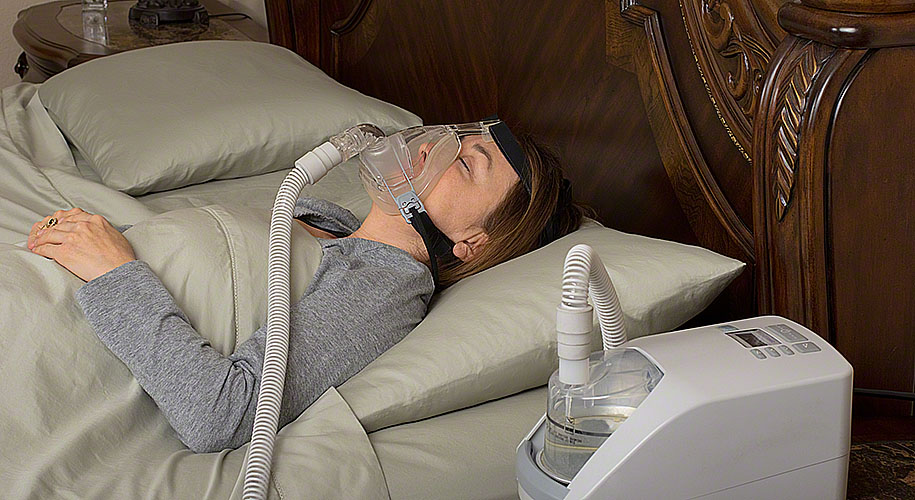
The way you can regulate the air pressure in your airways is by sleeping with a positive airway pressure machine, also known as a PAP machine. This is different from the machines used in the treatment and management of sleep apnea (CPAP machines), because PAP machines help to regulate the pressure in your airways and prevent them from collapsing and leading to shortage of breath in the long run.
It is a very comfortable machine to put on and you can sleep the rest of the night away without feeling claustrophobic or anything.
Improve Your Iron Intake
You might also be advised to increase your iron intake and put a hold on strenuous activities like swimming or any other high cardio exercises that make your heart beat faster and make you lose your breath more rapidly. This can turn into a medical emergency, so you want to take it slow and do things that will keep you moving without any major issues. These things will help you out in this regard.
Conclusion
Sleep-related hypoventilation is a very serious sleep disorder and you need to see a sleep specialist Baltimore ASAP. So, if you notice the symptoms, consult a doctor.