
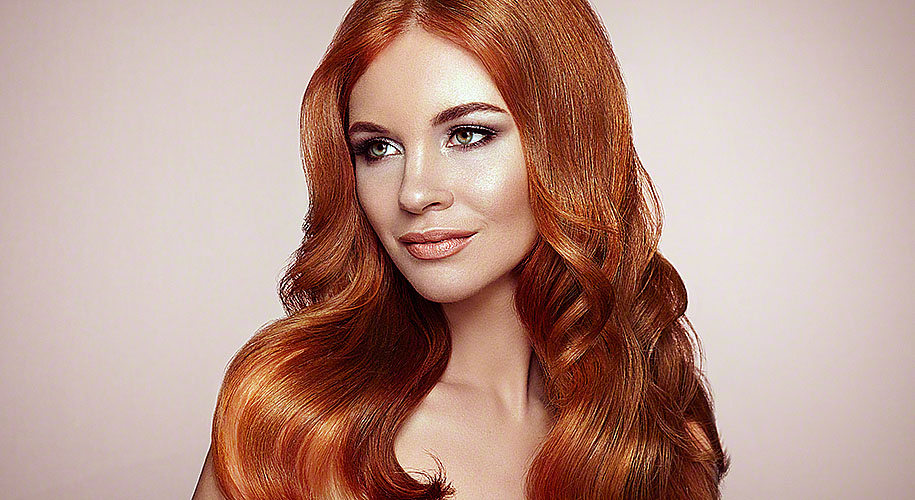
Hair extensions in salon allow stylists to assess your hair type, texture, and desired outcome to recommend the most suitable method for your needs. Understanding the different types of extensions available helps you make informed decisions about which option aligns with your lifestyle, budget, and hair goals. Each extension type has unique characteristics, application methods, maintenance requirements, and longevity that make it more or less suitable for particular situations. This comprehensive guide explores the most common types of hair extensions, helping you navigate the options and choose the perfect solution for your individual circumstances and preferences.
Hair extensions have revolutionized the beauty industry by offering instant length, volume, and versatility to people who want to transform their appearance without waiting months or years for natural growth. Whether you’re dealing with thinning hair, recovering from a bad haircut, or simply want to experiment with different styles, extensions provide countless possibilities. The technology and techniques behind hair extensions have evolved dramatically over the past few decades, offering options that range from temporary solutions you can apply at home to semi-permanent installations requiring professional expertise.
Clip-In Hair Extensions
Clip-in extensions represent the most temporary and user-friendly option available, perfect for people who want flexibility and the ability to apply extensions themselves. These wefts of hair come attached to small clips that secure directly onto your natural hair at the roots, allowing you to add length and volume in minutes. The primary advantage of clip-ins is their versatility, as you can wear them whenever you want and remove them just as easily before sleeping or showering. Quality clip-in extensions made from human hair can be styled with heat tools, colored, and treated just like your natural locks. They typically last six months to a year with proper care, making them a cost-effective option for occasional use.
Tape-In Hair Extensions
Tape-in extensions have gained immense popularity due to their natural appearance, comfortable wear, and relatively quick application process. These extensions feature thin adhesive strips that sandwich small sections of your natural hair between two wefts, creating a secure bond that lies flat against the scalp. A professional stylist can apply a full head of tape-ins in about an hour, making them more time-efficient than many other semi-permanent methods. The wefts are virtually undetectable when properly applied, allowing you to wear your hair in various styles including updos without visible tracks. Tape-ins typically last six to eight weeks before requiring repositioning as your natural hair grows and pushes the extensions away from the scalp.
Sew-In or Weave Extensions
Sew-in extensions, commonly called weaves, involve braiding natural hair into cornrows and sewing wefts of extension hair onto these braids using a needle and thread. This technique has been particularly popular in the African American community for decades, though it works well for anyone with textured hair that can support the braiding foundation. The process requires several hours depending on the desired fullness and coverage, but the results can last two to three months with proper care. Sew-ins offer excellent security since the extensions are literally stitched in place, allowing for vigorous activities including swimming and exercise without worry.
You can choose between full sew-ins that cover your entire head or partial weaves that leave some natural hair exposed for more versatile styling. The braided foundation distributes tension across your scalp rather than stressing individual hair strands, though improperly tight braids can cause discomfort and potential damage. Regular maintenance appointments ensure the braids and wefts remain secure and your scalp stays healthy. Many people appreciate that sew-ins allow you to completely protect your natural hair underneath, promoting growth while enjoying the benefits of length and volume from extensions.
Fusion or Bonded Extensions
Fusion extensions utilize keratin bonds and heat to attach individual extension strands to small sections of natural hair, creating one of the most natural-looking and durable results available. A professional applies these extensions using a heated tool that melts the keratin bond, fusing it around your natural hair strand. The process is time-intensive, often requiring three to five hours for a full head, but the results can last three to six months with proper care. Each bond is tiny and virtually invisible, allowing the extensions to move naturally and blend seamlessly with your own hair. This method works exceptionally well for people wanting significant length or volume who don’t mind the commitment and investment required. The individual strand application means you can section and style your hair in any direction without visible tracks or wefts.
A hair extensions salon Potomac specializing in fusion techniques employs stylists trained in proper bonding methods that minimize damage to natural hair. Removal requires a special solution that breaks down the keratin bonds, allowing the extensions to slide off without harming your natural strands. The cost is typically higher than other methods due to the labor-intensive application and the quantity of individual extensions needed for full coverage.
Wigs and Toppers
While technically not extensions in the traditional sense, wigs and hair toppers serve similar purposes and deserve consideration when exploring hair enhancement options. Full wigs provide complete coverage and instant transformation, available in countless styles, lengths, colors, and textures to suit any preference. Modern wigs made from human hair or high-quality synthetic fibers look remarkably natural and comfortable when properly fitted and styled. Toppers, also called wiglets, cover only a portion of the head, typically the crown area where thinning or hair loss is most noticeable.
These clip or tape into place, blending with your natural hair around the perimeter while providing coverage and volume where needed. Both wigs and toppers appeal to people experiencing medical hair loss, age-related thinning, or those who simply want the ultimate versatility without altering their natural hair. You can change your entire look in seconds, going from short to long or blonde to brunette with no commitment. Quality pieces require investment but last years with proper care, potentially making them more economical than regularly maintained extensions. The psychological benefits can be significant for people dealing with hair loss, restoring confidence and eliminating daily worry about their appearance.
Conclusion
Quality matters tremendously, so invest in human hair extensions from reputable sources rather than cheap synthetic alternatives that look artificial and don’t last. While extensions remain the primary choice for adding length and volume, some men exploring similar enhancements might also consider options like non-surgical hair transplant for men Potomac or other solutions tailored to male pattern baldness and thinning. Ultimately, the right extension type balances your aesthetic goals with practical considerations, delivering the beautiful, natural-looking results you envision while maintaining the health of your natural hair underneath.