
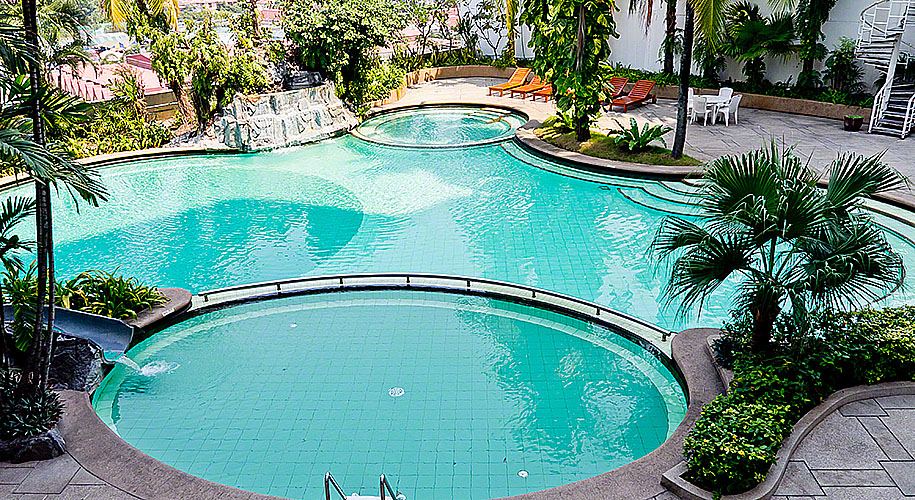
Concrete pools are durable and customization-friendly. However, there are some things about concrete pools that fewer people know. So, if you’re considering building a concrete pool, know these things before hiring a pool contractor.
Things You Need To Know When Building A Concrete Pool
The Installation Takes Time
Concrete pool installation is a time-consuming process that can take anywhere from 3 to 6 months. The range of this number is significant because the duration is directly affected by factors such as size, depth, design, complexity, weather, and others.
The installation of a concrete pool takes the longest when compared to the other two pool types: fiberglass and vinyl liner. Fiberglass pool installation can be completed in 2-4 weeks and a vinyl liner pool is commonly built in 4-8 weeks.
So, you should prepare for months of construction and care when building a concrete pool. If you need a pool real quick, then consider a fiberglass pool.
Don’t Mind The Difference Between Gunite And Shotcrete
You may hear these two terms when considering a concrete pool: gunite (dry mix) and shotcrete (wet mix) pools. These are two different methods of spraying concrete on rebar.
In gunite pools, dry concrete is sprayed using a hose and the water is mixed at the nozzle of the hose. Whereas, in shotcrete pools, the concrete is already mixed and arrives in concrete trucks, and it’s then sprayed using a hose without needing any nozzle for mixing water.
Gunite pools require special skills because the water is mixed during the spraying concrete. However, it’s considered a preferred method by contractors because it allows control over concrete strength and consistency.
This sounds like technical stuff and you’ll wonder if you need to know and ponder over this. The good news is that you don’t need to know which method is better as long as you hire a good builder who has a skilled team for building a concrete pool with the method they choose.
On the other hand, if you’re building the pool yourself or doing most of the work yourself, then you will need to know these details.
You Need To Resurface Concrete Pools Every 7-20 Years
First things first, concrete pools are very long-lasting. Generally, they are the most durable option among pool materials. Fiberglass and vinyl liner are the other pool materials. These two types can last for 25-50 and 20-40 years, respectively. On the other hand, concrete pools can easily last for more than 50 years if you maintain them properly.
And when it comes to maintenance, there is a task you need to perform every 7-30 years – resurfacing. Concrete pool resurfacing involves replacing the interior finish of the pool (the layer you see). The frequency depends on the type of finish you choose during the installation or resurfacing.
Plaster is the most common finish for concrete pools and it lasts for 7-10 years. Quartz aggregates stay for 15 years, pebble finish for 15-25 years, polished marble for 15-20 years, and tiles for 25-30 years.
More Features Equal Increased Cost
As you add more features, the cost of the pool will increase. And every feature has its own cost impact. For instance, installing integrated tanning spas can be pricier than standard tanning ledges. Moreover, pool features that use the primary pump cost less than those which need a dedicated pump.
Some concrete pool features that can drastically increase the cost are infinity edges, beach-style entry, large waterfalls, high-end finishes, automatic cover compatibility, etc. To reduce costs, choose a smaller pool size and standard features.
A Sloped Backyard Means A Costlier Pool
If your backyard is sloped, you should know that building a concrete pool there will be costlier than on a flat yard. While a 5% or less slope will slightly increase costs, if the slope is significant, such as more than 15%, the costs could increase 50% to 100%.
The reason why sloped surfaces make pool construction pricey is that you first need a structural engineer to design the foundation and permits for the design. After that, you need contractors with a high-level of expertise, additional materials, retaining walls, complex drainage, erosion control, and other things that lead to a substantial cost hike.
If you have a sloped yard and you want to reduce costs, you should try these things:
- Get a geotechnical report. It costs money, but it can help a lot.
- Build a smaller and simpler pool.
- Install a partial above-ground pool.
- Choose a location where the slope is not as steep as other parts of the yard.
- Pick a fiberglass pool shell for your semi-inground pool.
- If the slope is slight, check if you can do without a retaining wall. However, never skip it if it’s recommended by the structural engineer.
- Build the pool during the off-season.
These decisions can impact the durability and safety of a pool so always consult a structural engineer, pool building expert, and a retaining wall builder Long Island.
Concrete Pools Are Long-Term Investments
If you think that concrete pools are too expensive, then you should know that they are considered the best type of pool by most people. Having a concrete pool in the backyard increases your home’s value by more than 4%.
Moreover, even if you don’t plan to sell the house, concrete pools provide long-term value because you don’t need to replace the pool for about half a century. On the other hand, in the case of fiberglass pools, you may need to replace the entire pool shell in approx. 20-30 years.
The Customizability Is Not Limited To The Shape, Size, And Depth
You know that concrete pools can be made into any shape, size, and depth you want. However, many people think that this is the only customization concrete pools offer. But the matter of fact is that concrete pools offer customization in every way possible, whether it’s structural reinforcement to suit the climate, redesigning the pool to appear contemporary, or any additional features that can make the pool more appealing, energy efficient, low-maintenance, or safer.
Some Concrete Pool Are Rough To Touch
If you’re used to the very smooth finish of fiberglass or vinyl pools, you may notice the surface of concrete pools to be slightly rough if the finish is plaster or aggregates. This can give you scrapes. So, if you’re looking forward to a smooth pool finish, then you should consider a tile, polished pebble, or polished marble finish.
Salt Water Can Wear The Plaster Finish More Quickly
If you’re using a salt water system for your concrete pool, then you should know that it can increase the wearing rate of plaster or any other finish that includes cement. This means homeowners with salt water systems may need to resurface their pools sooner than those who use a traditional chlorine water system.
To lower this rate, manage water chemistry more actively, and never use the salt water system during the first 30 days of resurfacing.
Conclusion
Concrete swimming pools have an abundance of advantages, but before choosing them, you should know the above-mentioned lesser-known facts too. You can also get in touch with a pool builder Long Island who will help you in this process and build a long-lasting pool.